

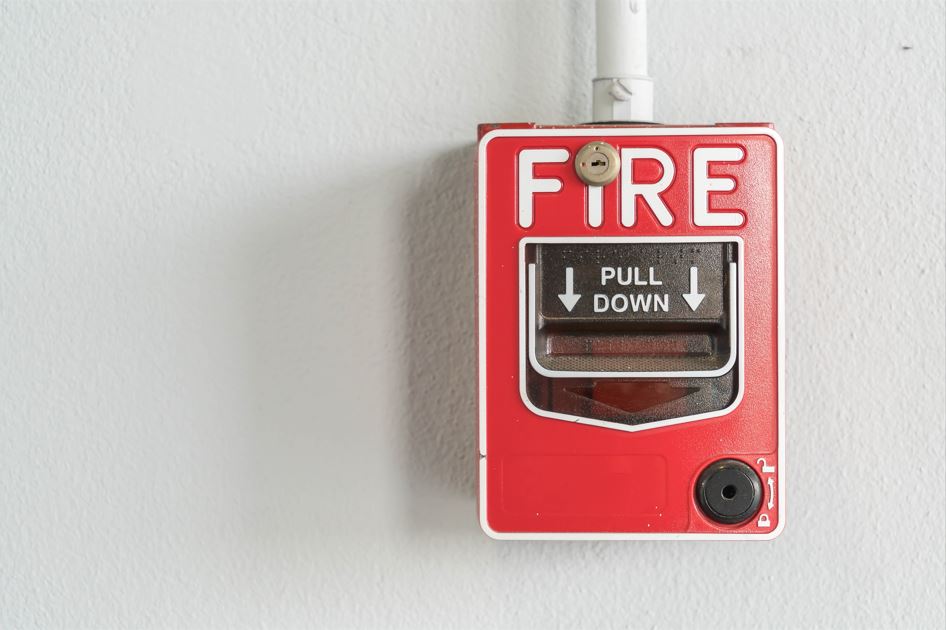
Fire detection and alarm systems are critical components of comprehensive building safety strategies. While human vigilance and proper safety protocols remain foundational in fire prevention and response, automated detection systems provide early warnings that can mean the difference between a minor incident and a catastrophic event.
This article examines the two primary fire alarm system architectures—addressable and conventional—comparing their operational principles, applications, advantages, limitations, and cost considerations.
Conventional fire alarm systems utilize a zone-based architecture, where multiple detection devices connect to a central control panel via dedicated circuits. Each circuit represents a specific zone within the structure. When a detection device activates, the control panel identifies the affected zone but not the specific device.
These systems function on a simple principle: when smoke, heat, or manual activation triggers a detection device, it alters the circuit's electrical characteristics. The control panel continuously monitors these circuits and initiates alarm protocols upon detecting a change.
Addressable fire alarm systems represent a technological evolution by assigning a unique digital address to each connected device. This enables the control panel to precisely identify which specific device has activated, pinpointing the exact location of potential fire conditions.
These systems use a data loop to connect devices to the control panel, allowing for continuous polling, advanced diagnostics, and customizable response parameters tailored to specific locations and scenarios.
Addressable systems provide pinpoint accuracy in identifying activated devices. For example, in a multi-story building, they can specify "Smoke Detector 47, East Corridor, Floor 3" versus a conventional system’s broader alert of "Zone 5 Activation." This precision enhances response times and reduces investigation efforts, particularly in large facilities.
Modern addressable systems offer self-diagnostic capabilities, continuously monitoring system health by detecting:
These features reduce false alarms, system failures, and undetected maintenance issues that could compromise safety.
Addressable systems integrate seamlessly with:
This coordinated emergency response capability surpasses conventional systems, which require additional complex interfaces for similar functionality.
Addressable systems facilitate expansion with minimal physical modifications. Adding devices typically involves connecting them to the existing data loop and programming their addresses into the control panel. In contrast, conventional systems may require additional zone modules and extensive wiring for expansion.
Conventional fire alarm systems remain cost-effective and practical for:
Addressable systems offer superior value in:
Conventional systems have lower upfront costs, making them appealing for projects with tight initial budgets. Addressable systems require a higher investment in control equipment and programming but offer long-term benefits.
Over a 15-20 year lifecycle, addressable systems often provide greater economic value through:
Industry data suggests typical payback periods of 3-5 years for addressable systems in medium to large facilities.
Both conventional and addressable systems now incorporate wireless device options, reducing installation disruption and offering flexibility for historically sensitive or difficult-to-wire environments. Addressable wireless solutions typically provide more advanced monitoring and battery management capabilities.
Modern systems increasingly feature cloud-based monitoring, management, and data analysis. Addressable systems excel in this domain due to their data-rich architecture and device-level reporting capabilities.
Addressable systems are leveraging machine learning to analyze detection patterns, further reducing false alarms and predicting potential system failures before they occur. These capabilities depend on the granular data unique to addressable architectures.
Fire alarm system selection must align with relevant building codes and standards:
Consulting a professional fire protection engineer ensures compliance with all applicable regulations.
The choice between addressable and conventional fire alarm systems is a crucial decision in building safety strategy. While conventional systems remain viable for smaller, less complex facilities, addressable systems offer superior performance, flexibility, and long-term cost-effectiveness in larger or more intricate environments.
Key factors influencing system selection include:
When integrated into comprehensive safety programs emphasizing human awareness, training, and proper emergency procedures, both system types enhance life and property protection.
As Roy Sebastian, CEO of GEMS, aptly states:
"The decision between addressable and conventional fire alarm systems isn’t just about technology - it’s about selecting the right tool for the environment. While traditional systems serve their purpose in simpler settings, the future lies in systems that offer precision, adaptability, and seamless integration with other technologies. The choice is clear for complex, high-value facilities: addressable systems not only provide superior safety but also optimize operational efficiency and long-term cost-effectiveness."
For advanced Fire Detection and Protection (FDP) solutions, GEMS offers state-of-the-art systems designed for early fire detection and optimized for critical indoor and open-air areas. Our solutions feature automatic calibration, prompt alerts, and even automated firefighting capabilities.
For more information, contact us at Rohitkumar.Singh@gmrgroup.in or call +91 9717199753.
If you need any services, drop us a mail at Rohitkumar.Singh@gmrgroup.in or get in touch with us at +919717199753.